Creating a topical map can boost your content strategy. It’s essential for understanding your niche and organizing your topics.
A topical map helps you see the big picture of your niche. It shows how different topics connect and where gaps exist. This tool can guide your content creation, ensuring you cover all necessary areas. By mapping out your topics, you can also identify key themes and subtopics.
This structured approach not only enhances SEO but also improves user experience. Readers find your content more relevant and engaging. Ready to dive in? Let’s explore how to create a topical map for any niche.
Credit: inlinks.com
Introduction To Topical Maps
Creating a topical map can seem daunting at first. But it’s a powerful tool for any niche. It helps in organizing content and improving SEO. This guide will introduce you to the basics of topical maps and their importance.
What Is A Topical Map?
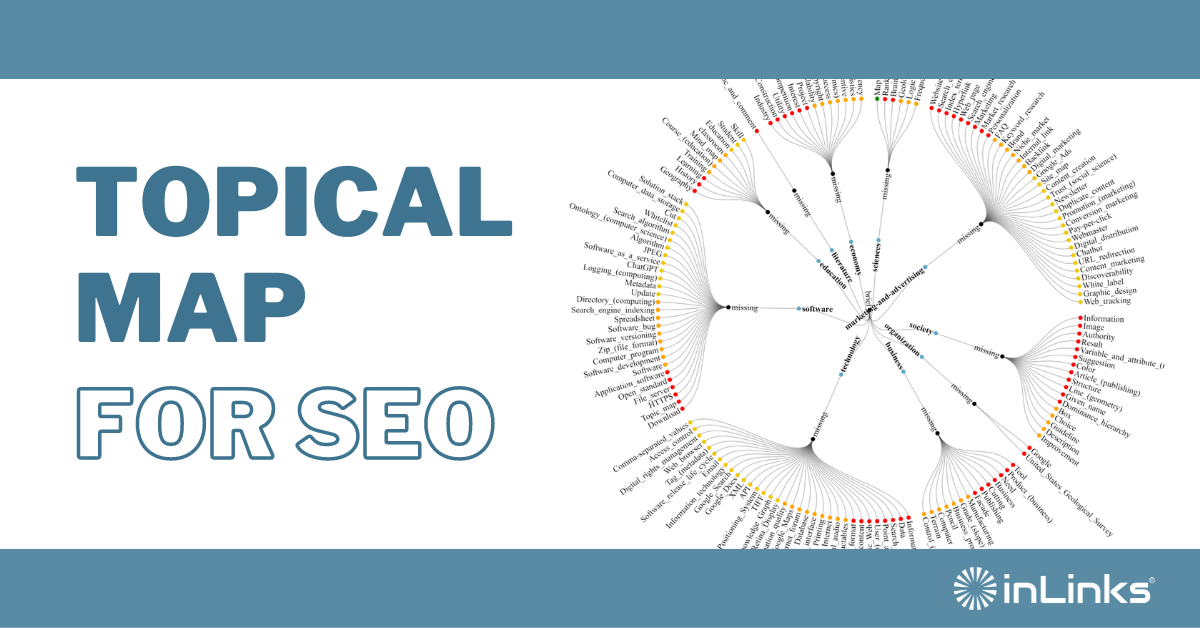
A topical map is a visual representation of content. It shows the relationship between topics and subtopics. Think of it as a content blueprint. It helps in structuring your site’s content logically. This makes it easier for users to navigate. It also helps search engines understand your content better.
Importance Of Topical Maps
Topical maps are crucial for SEO. They help in organizing content around key topics. This improves your site’s relevance and authority. Search engines can easily crawl and index your site. This leads to better rankings in search results.
Topical maps also improve user experience. They make it easier for visitors to find information. This increases the time spent on your site. It reduces bounce rates and boosts engagement. In short, topical maps are a win-win for both users and search engines.

Credit: www.youtube.com
Identifying Your Niche
Identifying your niche is the first step in creating a topical map. A niche is a specific area within a broader category. It helps narrow your focus and reach your target audience. This step is crucial for effective content planning and SEO.
Choosing A Specific Niche
Choosing a specific niche starts with understanding your interests and expertise. Think about what topics you enjoy and can write about. Also, consider the needs and interests of your target audience. This balance is key to selecting a niche that you can sustain over time.
Next, analyze the competition. Look at other blogs in your chosen area. See what topics they cover and how you can offer something unique. This will help you stand out and attract a dedicated audience.
Researching Niche Trends
Researching niche trends involves looking for popular topics and emerging trends. Use tools like Google Trends to see what people are searching for. This can give you ideas for relevant and timely content.
Also, follow industry news and join online forums. These platforms can provide insights into current discussions and interests. Regularly updating your content based on these trends can keep your blog fresh and engaging.
Keyword Research
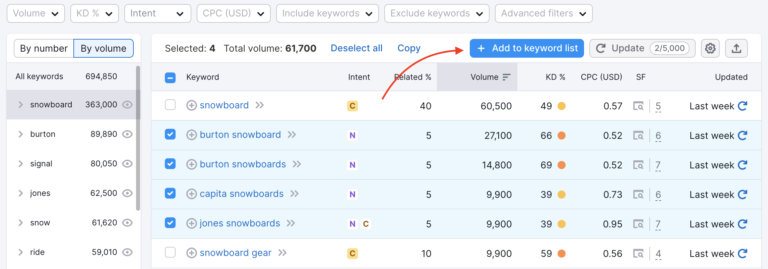
Keyword research is the foundation of creating a topical map for any niche. It helps you find the terms and phrases that your target audience is searching for. By identifying these keywords, you can create content that ranks higher on search engines and attracts more visitors to your site.
Tools For Keyword Research
Several tools can help you conduct keyword research efficiently. Here are some of the most popular ones:
- Google Keyword Planner: This free tool provides keyword ideas and search volume data.
- Ahrefs: A powerful tool that offers keyword suggestions, search volume, and competition analysis.
- SEMrush: Provides keyword data, including difficulty scores and competitive analysis.
- Ubersuggest: Offers keyword ideas, search volume, and competitive analysis.
- AnswerThePublic: Generates questions and phrases that people search for related to your keyword.
Finding High-value Keywords
High-value keywords are those that have a good balance of search volume and competition. Here are steps to find them:
- Start with Seed Keywords: Use your main topic to generate initial keyword ideas.
- Analyze Search Volume: Check the monthly search volume of each keyword.
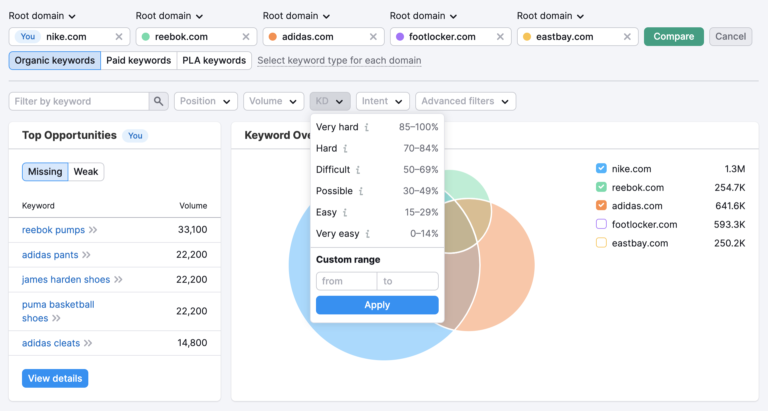
- Assess Competition: Look at the keyword difficulty score to gauge how hard it is to rank.
- Consider User Intent: Ensure the keywords match the searcher’s intent and your content.
- Look for Long-Tail Keywords: These keywords are longer phrases that are less competitive and more specific.
Using these steps, you can find the best keywords to include in your topical map. This will help you create content that meets the needs of your audience and improves your search engine rankings.
Organizing Topics
Organizing topics is crucial for creating a coherent topical map. It helps in making your content accessible and engaging. A well-structured topical map ensures that all related subjects are covered. This helps in enhancing the user’s experience. Let’s explore some effective ways to organize topics.
Creating Topic Clusters
Start by creating topic clusters. Topic clusters group related content under a main topic. This helps in structuring your content logically. Each cluster should have a pillar page. The pillar page covers the main topic broadly. Subtopics link back to the pillar page. This creates a network of related content.
For example, if your main topic is “Gardening,” your pillar page covers basic gardening tips. Subtopics could include “Planting Flowers,” “Vegetable Gardens,” and “Garden Tools.” Each subtopic links back to the main pillar page. This improves SEO and user navigation.
Grouping Related Keywords
Next, focus on grouping related keywords. Keywords are the backbone of your content. Identify keywords that are relevant to your main topic. Group them into clusters based on subtopics. This helps in targeting specific search queries.
Use keyword research tools to find related keywords. Look for long-tail keywords that match user intent. Group these keywords under your subtopics. This ensures that your content covers all relevant queries. It also helps in improving your search engine ranking.
For example, under the “Planting Flowers” subtopic, keywords could include “how to plant roses,” “best flowers for beginners,” and “flower planting tips.” Grouping these keywords makes your content more focused and relevant.
Building The Topical Map
Building a topical map is crucial for any niche. It helps structure and visualize content. This guide covers two key aspects: structuring the map and visualizing connections. These steps will help you create a robust topical map.
Structuring The Map
Start by identifying the main topic. Break it down into subtopics. Each subtopic should cover a specific aspect. Use keyword research tools to find popular terms. This ensures you cover what people are searching for. List these subtopics in a logical order.
Next, group related subtopics together. This helps in creating clusters. Each cluster should have a central theme. Ensure each cluster is detailed. This will help in creating comprehensive content. Make sure to cover all angles.
Visualizing Connections
Visualizing the connections between topics is key. It helps in understanding how topics relate. Use mind-mapping tools for this task. Tools like MindMeister or XMind are great. These tools allow you to create visual maps.
Start with the main topic at the center. Branch out to subtopics from there. Connect related subtopics to their clusters. This visual representation helps in planning content. It ensures no important topics are missed. Make adjustments as needed.
Content Planning
Content planning is essential to create a successful topical map for any niche. It helps in organizing your ideas and ensures you cover all relevant topics. This process makes your content strategy clear and effective.
Mapping Content To Topics
Start by listing all the broad topics related to your niche. Then, break these broad topics into subtopics. Here’s how you can do it:
- Identify main topics relevant to your audience.
- Break down each topic into smaller subtopics.
- Ensure each subtopic is specific and relevant.
For example, if your niche is gardening, a main topic could be “Plant Care”. Subtopics could include “Watering Tips”, “Fertilizing Plants”, and “Pruning Techniques”. This method ensures you cover all aspects of your niche.
Content Calendar Creation
Once you have your topics and subtopics, it’s time to create a content calendar. A content calendar helps you stay organized and publish content consistently.
Here’s a simple table to help you create your content calendar:
| Date | Topic | Subtopic | Content Type |
|---|---|---|---|
| 01/01/2024 | Plant Care | Watering Tips | Blog Post |
| 08/01/2024 | Plant Care | Fertilizing Plants | Video |
| 15/01/2024 | Plant Care | Pruning Techniques | Infographic |
Ensure your content calendar includes the date, topic, subtopic, and content type. This structure will help you plan your content effectively and keep your blog active.
Optimizing For Seo
Creating a topical map for any niche requires a focus on SEO optimization. This process ensures your content ranks well on search engines. Effective SEO strategies will help increase your website’s visibility and attract more visitors. Let’s dive into some key techniques to optimize your topical map for SEO success.
On-page Seo Techniques
On-page SEO involves optimizing each web page to rank higher. It helps in driving relevant traffic. Here are some techniques to consider:
- Keyword Research: Identify relevant keywords for your niche. Use tools like Google Keyword Planner.
- Title Tags: Include your main keyword in the title tag. Keep it under 60 characters.
- Meta Descriptions: Write compelling meta descriptions. They should be around 155 characters.
- Header Tags: Use header tags (H1, H2, H3) to structure your content. Include keywords naturally.
- Image Optimization: Use alt tags with keywords for images. Compress images to improve load time.
- Internal Linking: Link to other relevant pages on your site. It helps in navigating and distributing link equity.
Link Building Strategies
Link building is essential for off-page SEO. It helps increase your site’s authority. Here are some strategies:
- Guest Blogging: Write articles for other websites. Include a link back to your site.
- Broken Link Building: Find broken links on other sites. Suggest your content as a replacement.
- Content Promotion: Share your content on social media. Reach out to influencers in your niche.
- Resource Pages: Look for resource pages in your niche. Request to add your link.
- Directory Submissions: Submit your site to relevant web directories. Ensure they are high-quality directories.
By implementing these on-page and off-page SEO techniques, you can improve your topical map’s effectiveness. This will help in achieving better search engine rankings.
Analyzing And Updating
Creating a topical map is just the beginning. To stay effective, you must analyze and update it regularly. This ensures that your content stays relevant and continues to attract traffic. Here’s how you can do it:
Tracking Performance
Tracking the performance of your topical map is crucial. Use tools like Google Analytics and Search Console. These tools help you monitor key metrics like:
- Organic Traffic: Check which pages are bringing in the most visitors.
- Keyword Rankings: See how well your content ranks for targeted keywords.
- Engagement Metrics: Look at bounce rates and average session duration.
- Conversion Rates: Track how many visitors take desired actions.
These metrics show how well your topical map performs. They help identify which areas need improvement.
Adjusting The Topical Map
Based on your analysis, you may need to adjust your topical map. Here’s a step-by-step guide:
- Identify Gaps: Look for topics that are missing or not performing well.
- Add New Topics: Include new, trending topics related to your niche.
- Update Existing Content: Refresh outdated content with new information.
- Reorganize Structure: Make sure your content is logically structured.
- Monitor Changes: Keep an eye on how these changes affect your metrics.
Regular updates keep your topical map current. This improves your site’s relevance and authority.
| Metric | What to Look For | Action to Take |
|---|---|---|
| Organic Traffic | Pages with low traffic | Optimize content or add new content |
| Keyword Rankings | Keywords that are dropping in rank | Revise and update content |
| Engagement Metrics | High bounce rates | Improve content quality and user experience |
| Conversion Rates | Low conversion rates | Enhance call-to-actions |
By continually analyzing and updating your topical map, you ensure your content strategy remains effective. This leads to sustained traffic and engagement.
Case Studies
Case studies can show how effective a topical map can be. They provide real-world examples of what works and what doesn’t. Below, we will explore successful topical maps and the lessons learned from them.
Successful Topical Maps
Many businesses have successfully created topical maps. These maps have helped them rank higher on search engines. Let’s look at a few examples:
| Business Name | Industry | Outcome |
|---|---|---|
| Tech Guru | Technology | Increased organic traffic by 40% |
| Health Haven | Healthcare | Boosted blog engagement by 50% |
| Auto Experts | Automotive | Higher conversion rates by 25% |
These businesses used topical maps to identify key content areas. They focused on creating content clusters around these areas. This strategy helped them improve their search engine rankings.
Lessons Learned
Creating a successful topical map involves several key steps. Here are the lessons learned from the case studies:
- Research is critical: Spend time understanding your niche. Identify the main topics and subtopics.
- Quality over quantity: Focus on creating high-quality content. It’s better than having many low-quality posts.
- Consistency matters: Regularly update your content. Ensure it remains relevant and up-to-date.
These lessons can help you create a successful topical map. Research your niche, focus on quality content, and stay consistent.

Credit: passiveincomepathways.com
Frequently Asked Questions
What Is A Topical Map?
A topical map organizes and structures content around a specific topic. It helps in covering various subtopics comprehensively.
Why Use A Topical Map?
A topical map ensures thorough coverage of a niche. It improves SEO, user experience, and content relevance.
How To Create A Topical Map?
Identify main topics and subtopics. Research keywords and organize them. Use tools like mind maps or spreadsheets.
What Tools Help In Creating A Topical Map?
Tools like Google Keyword Planner, SEMrush, and mind mapping software assist in creating a comprehensive topical map.
Conclusion
Creating a topical map is crucial for any niche. It enhances content strategy. By organizing topics, you cover all relevant areas. This leads to better user engagement. Search engines also favor well-structured content. Start by researching and listing core topics.
Then, branch out into subtopics. This method ensures comprehensive coverage. Regularly update your map. Keep it relevant and up-to-date. Your audience will appreciate the clear, thorough information. A well-planned topical map can significantly improve your site’s performance. So, begin mapping today and see the benefits for yourself.